

Key Takeaways
Why containers and compact spaces work for vegetables
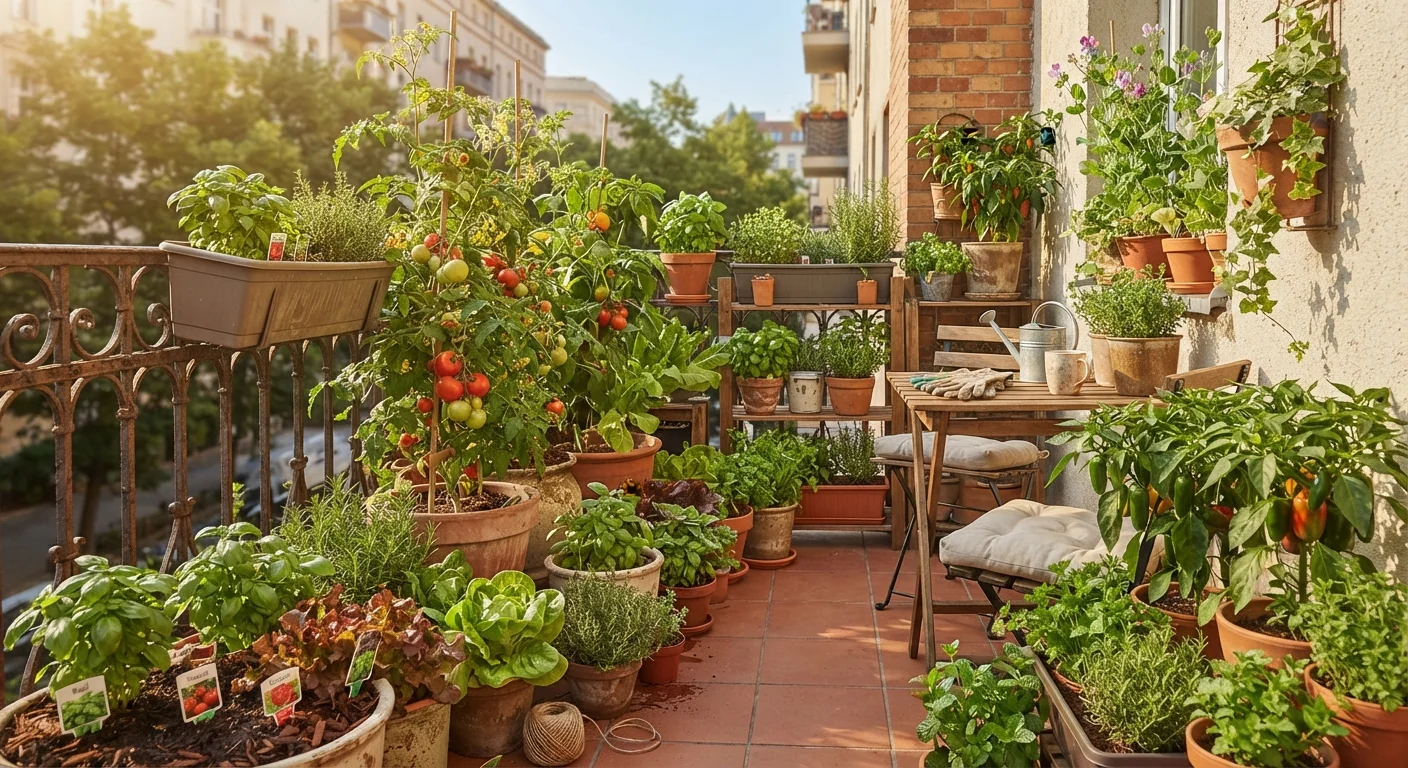
The widespread assumption that vegetable gardening needs a large yard holds back many families who could otherwise grow a meaningful portion of their own food. A 10-square-foot balcony or a narrow side yard can support enough lettuce, herbs, and tomatoes to reduce grocery trips through the growing season.
The cost to start is modest. A handful of containers, a bag of potting mix, and a packet of seeds costs far less than a single week's produce budget for most households. The ongoing cost drops further each year as you save seeds, make compost, and reuse containers.
Container gardening also gives you control that in-ground gardening does not always allow. You can move plants to track sunlight, bring tender crops indoors before frost, and isolate problem plants before pests spread. For renters or families in homes without yard access, it is often the only viable path to homegrown food.
If you want to expand beyond containers into a more permanent setup, building a raised bed on a budget is a natural next step. And if you are thinking about which plants to include beyond vegetables, planning flowers that cost less each year can help you fill any remaining space without overspending.
Common problems and how to fix them
Container vegetables face a short list of recurring problems. Knowing what to look for makes each one quick to address.
Yellowing leaves
Yellow leaves on otherwise healthy plants usually mean nitrogen deficiency from nutrients washing out through repeated watering. A dose of liquid balanced fertilizer typically greens the plant back up within a week.
Wilting despite moist soil
If a plant wilts even though the soil is wet, the container likely lacks drainage and roots are sitting in water. Remove the plant, check for root rot (brown, mushy roots), trim any affected roots, and repot into fresh mix with verified drainage.
Leggy, stretched growth
Stretched, thin stems reaching toward one direction mean the plant is not getting enough light. Move the container to a sunnier spot or rotate it 90 degrees every few days so all sides receive even exposure.
Pest pressure
Aphids and spider mites are the most common container pests. A firm spray of water from a hose knocks most of them off. Inspect undersides of leaves every few days, especially in dry weather, and remove any heavily infested stems before the population builds.
Start small and scale up
Beginning with two or three containers of high-yield crops (lettuce, cherry tomatoes, and one herb) lets you learn the watering and feeding rhythm without overcommitting. Once those containers are running well, adding more is straightforward. Spreading the startup cost across seasons also keeps the investment manageable.